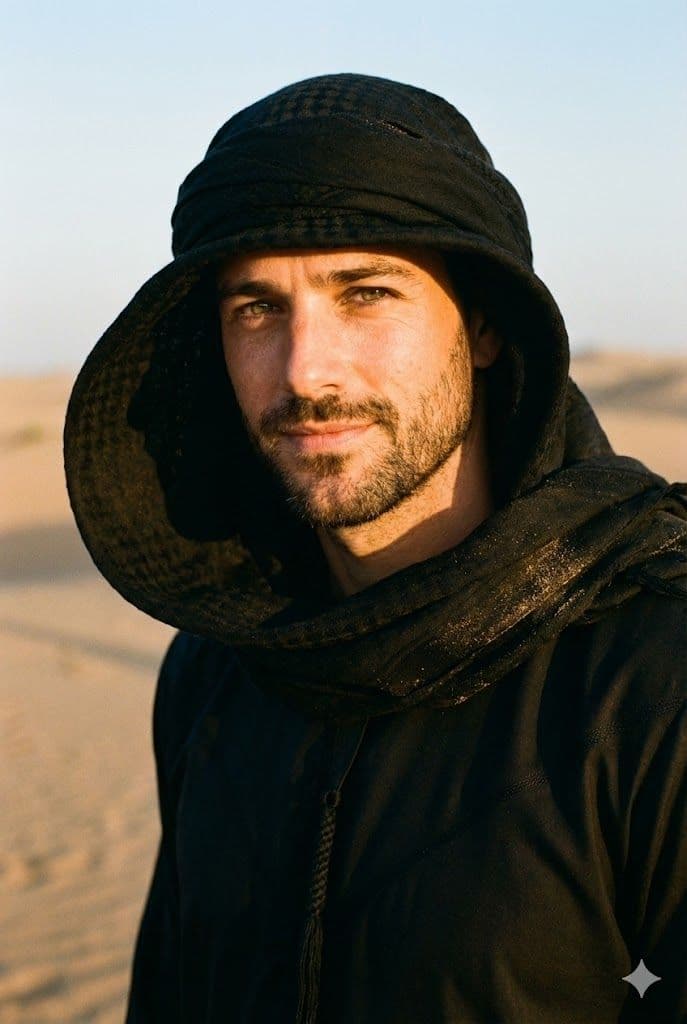
Cinematic Desert Portrait AI Prompt — Golden Hour Film Aesthetic
A cinematic portrait prompt engineered for golden hour desert scenes — blending 1990s analog film grain with identity-precise face rendering and billowing traditional shemagh fabric.
Tags
Prompt
Expected Output
This prompt renders a close-up portrait bathed in deep amber and molten gold — the late-day desert sun raking light across the subject's jawline and cheekbones while the black shemagh catches an invisible wind, its fabric mid-motion against a soft-focus dune horizon. The composition is intimate yet expansive: the face commands the frame while sand and sky dissolve into warm bokeh behind it. Technically, the output emulates vintage film grain and analog depth characteristic of 1990s cinema AI generation — avoiding the over-sharpened, sterile look common to modern digital renders. Skin texture retains natural pore-level complexity, and the tonal range achieves rich shadow depth without crushing blacks, a quality sought by cinematic portrait AI prompt users. Practical applications span editorial fashion lookbooks for cultural fashion AI art, short film concept decks, cultural heritage visual projects, and high-res print wall art — making this prompt a high-conversion asset for photographers, art directors, and digital artists alike.
- Versatile export quality at 4K UHD enables both digital publishing and large-format print applications parameters: Token: [SUBJECT / Reference Image] Meaning: The identity source that anchors facial biometric accuracy throughout generation Examples: Portrait photo, official headshot, side-profile reference, composite reference sheet Effect: Changing or removing the reference image completely redefines identity fidelity — the entire portrait's authenticity pivots on this input. Token: [ATTIRE] Meaning: The traditional garment worn by the subject — currently black thobe + black shemagh Examples: White thobe + white ghutrah, navy abaya, desert military keffiyeh, linen desert robe Effect: Swapping attire shifts cultural context, color palette, and fabric motion dynamics dramatically, altering the portrait's geographic and thematic identity. Token: [FILM ERA / AESTHETIC] Meaning: The cinematic decade or stock type that governs grain, color science, and tonal rendering Examples: 1970s Kodachrome, 1980s Fujifilm slide, 1990s gritty bleach bypass, 2000s digital-clean Effect: Changing the film era rewrites the entire mood — shifting from warm analog romance to cool clinical sharpness or hyper-saturated retro vibrancy. Token: [LIGHTING SETUP] Meaning: The directional light source defining facial sculpting and background tone Examples: Golden hour (current), overcast diffused, midday harsh top-light, blue hour dusk, campfire practical light Effect: Replacing golden hour with blue hour or overcast light transforms the mood from warm romantic to cold and austere, requiring rebalancing of the shadow/highlight contrast. Token: [ENVIRONMENT / BACKGROUND] Meaning: The landscape context behind the subject, rendered in soft bokeh Examples: Saharan sand dunes (current), salt flats, rocky canyon walls, coastal cliffs at sunset, ancient ruins Effect: Background environment shifts the narrative context and color temperature reflected in ambient light on the subject's skin. proTips: 🎛️ Customize It: Swap the [FILM ERA] from 1990s cinema to a 1970s Kodachrome grade by adding warm orange push and elevated grain intensity. In Stable Diffusion, pair this with a vintage film LoRA (e.g., FilmVelvia or KodakPortra) to lock the color science without manual prompt engineering. 🔁 Iterate Fast: Run this prompt at 512×768 first for rapid composition testing — confirm the shemagh fabric motion and face placement before committing to a 4K upscale pass via SD Upscaler or Topaz Gigapixel. This cuts iteration time by 60–70% on complex portrait workflows. 📐 Aspect Ratio Guide: For editorial print layouts, use a 2:3 portrait ratio (--ar 2:3 in Midjourney, 768×1152 in SD). For social media or Pinterest vertical cards, a 4:5 crop preserves face prominence while fitting mobile feed formats without awkward cropping. 🎨 Style Pairing: This prompt pairs exceptionally well with Gregory Crewdson-style atmospheric lighting references or the work of cinematographer Roger Deakins if you're using Midjourney's style reference system. Adding cinematic still, hyperdetailed skin texture, shallow DOF as reinforcing tokens strengthens film-aesthetic cohesion. 💡 Workflow Tip: If deploying for a cultural editorial fashion client, export the base portrait at 4K PNG, then apply a final LUT in DaVinci Resolve (try Kodak 2383 or Fuji 3510) to bridge AI-generated color grading to professional broadcast-standard deliverables. The prompt's existing contrast structure is pre-optimized for LUT layering.
- High-frequency skin texture prevents the "plastic face" over-smoothing artifact common in portrait diffusion models
- Billowing shemagh fabric introduces kinetic energy and romantic, editorial movement to an otherwise static close-up
- Golden hour sculpting creates luminous highlights and deep shadow contrast that define facial architecture
- 1990s analog film grain adds tactile vintage warmth absent from most modern AI portrait outputs
- Authentic identity fidelity preserves facial bone structure and natural expression from reference input
- Desert bokeh background maintains environmental mood while keeping full compositional focus on the subject
Parameters & Variables
| Variable Token | Meaning | Examples | Effect |
|---|---|---|---|
| SUBJECT / Reference Image | The identity source that anchors facial biometric accuracy throughout generation | side-profile referenceofficial headshoPortrait photo | Changing or removing the reference image completely redefines identity fidelity — the entire portrait's authenticity pivots on this input. |
| ATTIRE | The traditional garment worn by the subject — currently black thobe + black shemagh | linen desert robedesert military keffiyehnavy abayawhite ghutrah | Swapping attire shifts cultural context, color palette, and fabric motion dynamics dramatically, altering the portrait's geographic and thematic identity. |
| FILM ERA / AESTHETIC | The cinematic decade or stock type that governs grain, color science, and tonal rendering | 1970s Kodachrome80s Fujifilm slide1990s gritty bleach bypass2000s digital-clean | Changing the film era rewrites the entire mood — shifting from warm analog romance to cool clinical sharpness or hyper-saturated retro vibrancy. |
Pro Tips / Best Practices
- 🎛️ Customize It: Swap the [FILM ERA] from 1990s cinema to a 1970s Kodachrome grade by adding warm orange push and elevated grain intensity. In Stable Diffusion, pair this with a vintage film LoRA (e.g., FilmVelvia or KodakPortra) to lock the color science without manual prompt engineering.
- 🔁 Iterate Fast: Run this prompt at 512×768 first for rapid composition testing — confirm the shemagh fabric motion and face placement before committing to a 4K upscale pass via SD Upscaler or Topaz Gigapixel. This cuts iteration time by 60–70% on complex portrait workflows.
- 📐 Aspect Ratio Guide: For editorial print layouts, use a 2:3 portrait ratio (--ar 2:3 in Midjourney, 768×1152 in SD). For social media or Pinterest vertical cards, a 4:5 crop preserves face prominence while fitting mobile feed formats without awkward cropping.
- 🎨 Style Pairing: This prompt pairs exceptionally well with Gregory Crewdson-style atmospheric lighting references or the work of cinematographer Roger Deakins if you're using Midjourney's style reference system. Adding cinematic still, hyperdetailed skin texture, shallow DOF as reinforcing tokens strengthens film-aesthetic cohesion.
- 💡 Workflow Tip: f deploying for a cultural editorial fashion client, export the base portrait at 4K PNG, then apply a final LUT in DaVinci Resolve (try Kodak 2383 or Fuji 3510) to bridge AI-generated color grading to professional broadcast-standard deliverables. The prompt's existing contrast structure is pre-optimized for LUT layering.
Related Prompts
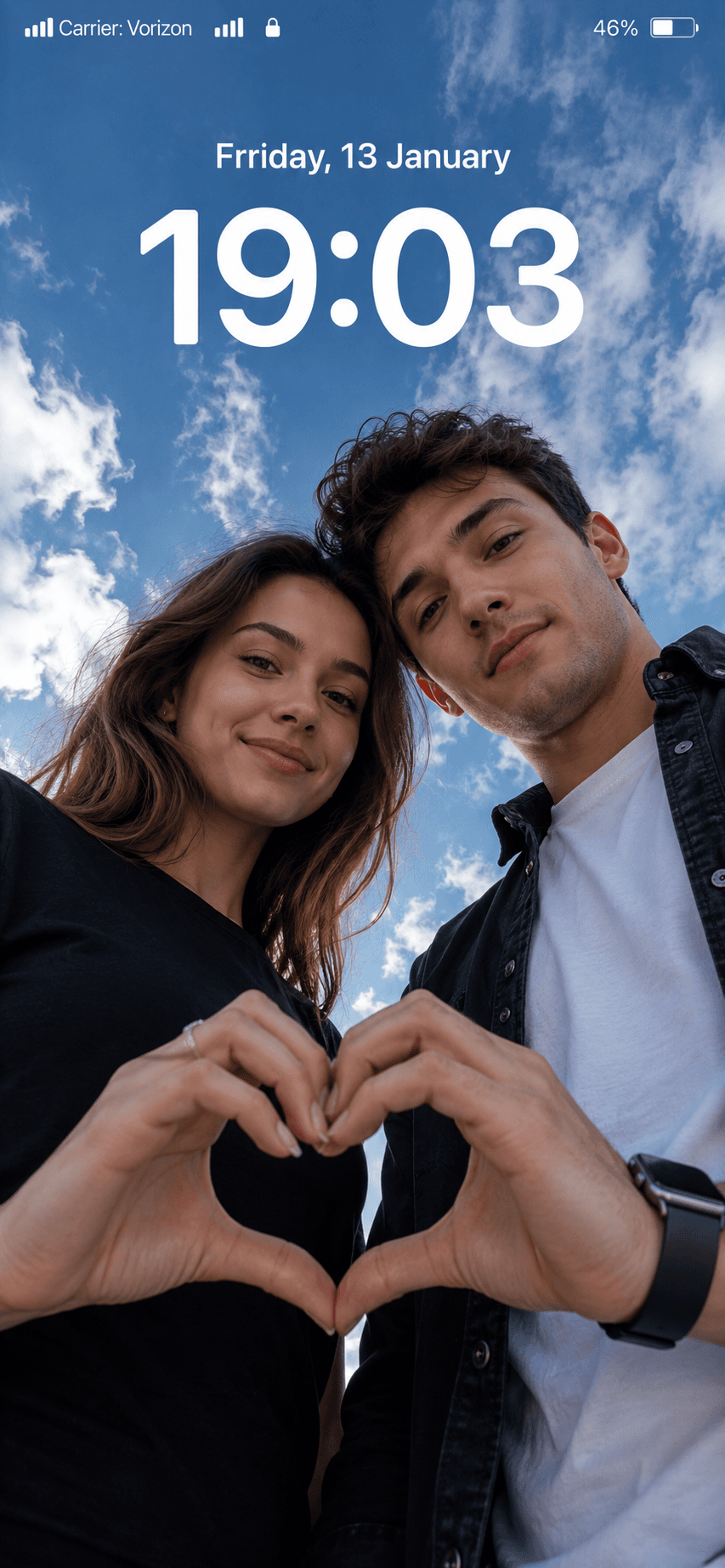
Photorealistic AI Couple Portrait Face Match Lock Screen Prompt
Midjourney • Couple Goals
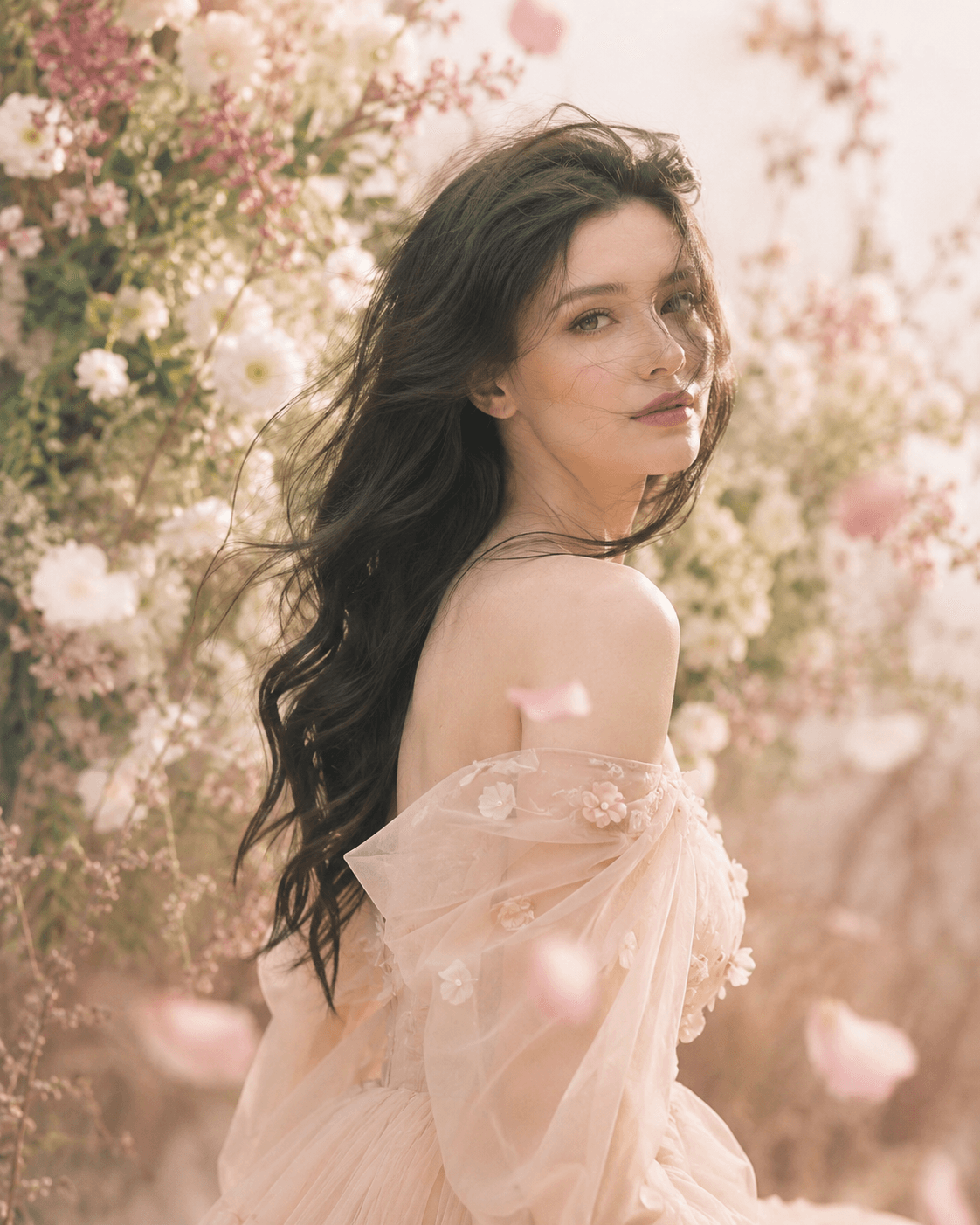
Midjourney Face Reference Prompt for Cinematic Floral Beauty Portrait
Midjourney • Fantasy
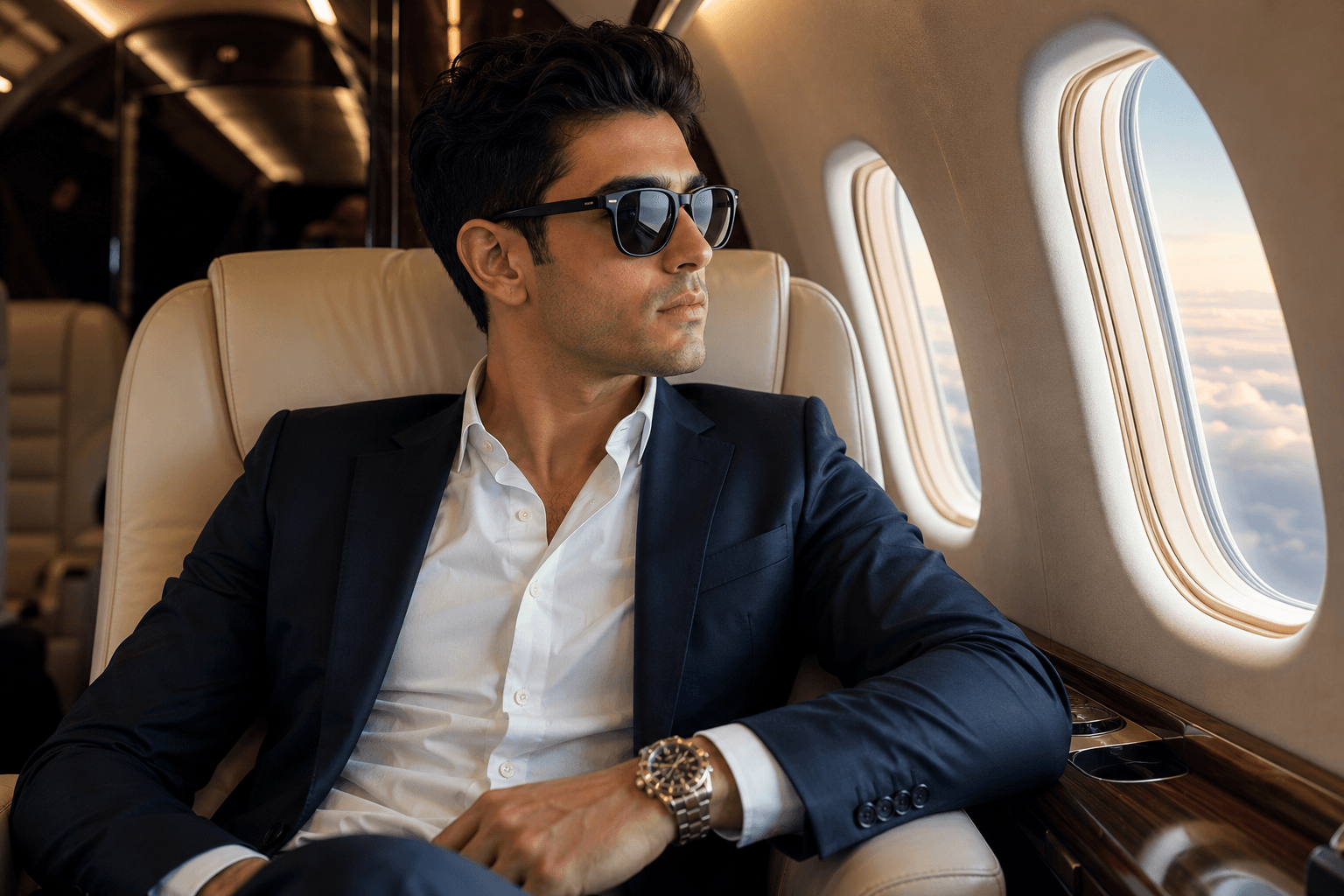
Midjourney Private Jet Portrait Prompt with Face Reference Matching
Midjourney • Cinematic
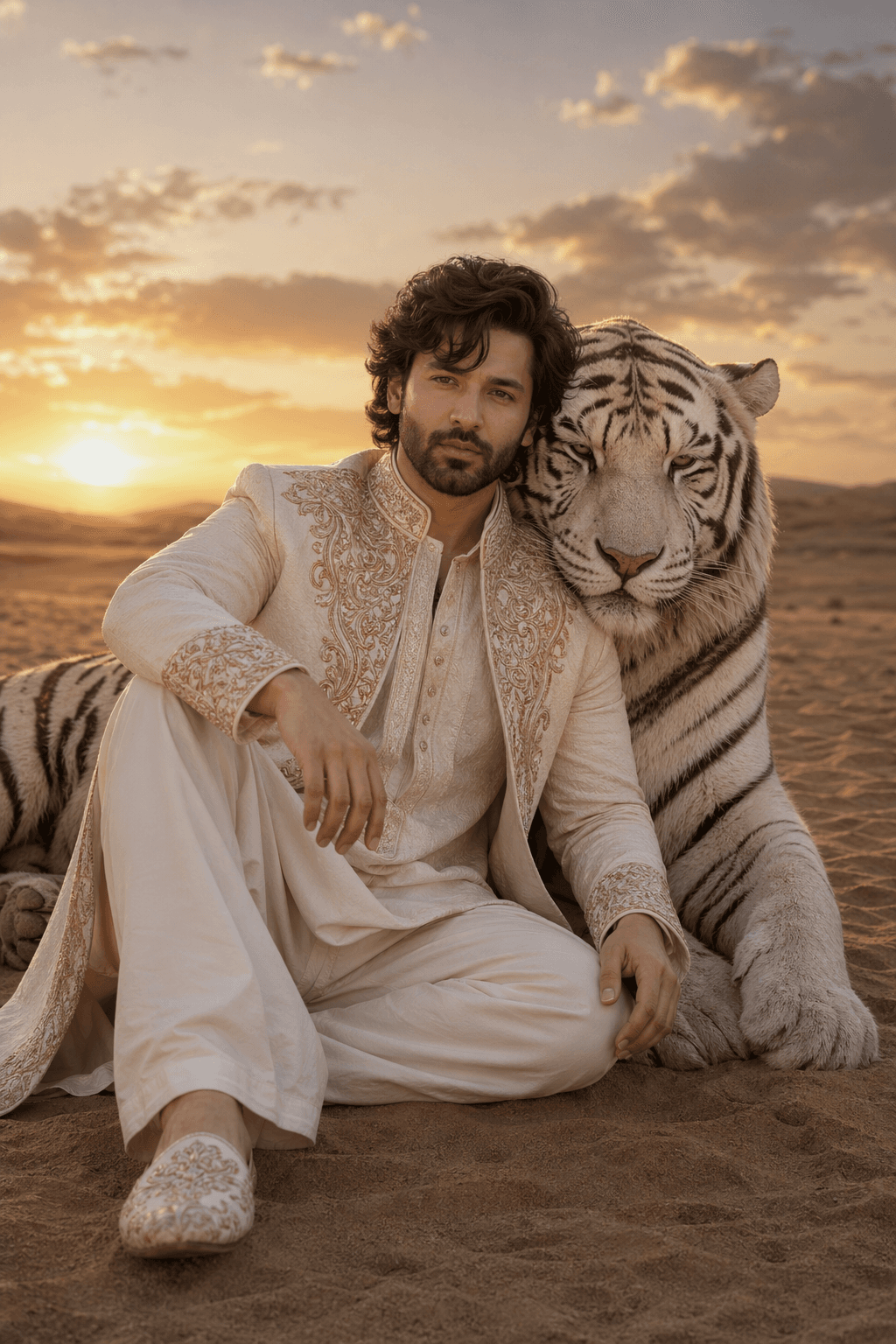
Cinematic AI Portrait Prompt: Man With White Tiger in Desert
Midjourney • Photography