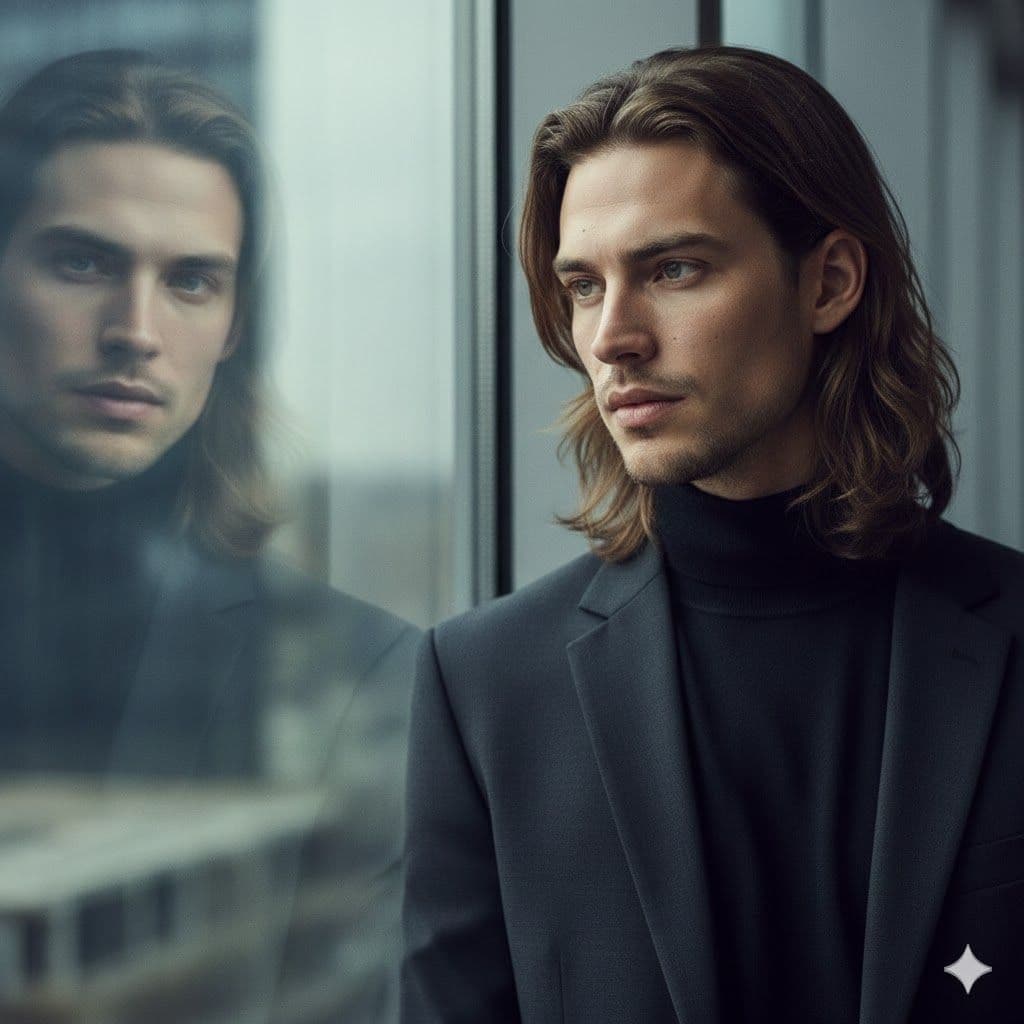
Ethereal Window Portrait: A Cinematic AI Prompt That Haunts
This cinematic Rembrandt portrait AI prompt captures the kind of editorial close-up that takes hours to light in a real studio — moody window diffusion, authentic skin micro-texture, and a barely-there reflection that adds psychological weight to every frame.
I kept fighting the model over the reflection — early runs made it too literal, basically a second face competing for attention. Framing it as 'ghostly contemplative duality' instead of a mirror finally clicked. Also: explicitly writing 'avoid plastic smoothing' in the skin section actually works. Without it, you lose the pore-level micro-texture that makes this read as real photography, not AI output
Tags
Prompt
Expected Output
Expect a tight, atmospheric close-up: one side of the face lit by cool diffused daylight, the other falling into deep shadow with a subtle Rembrandt triangle under the eye. The charcoal blazer and black turtleneck retain distinct fabric textures against a neutral background, giving a clean editorial feel. Technically, this pushes toward 8K detail with realistic skin rendering—pores, fine lines, and natural variation without plastic smoothing. Shallow depth of field creates smooth bokeh that isolates the subject, while subtle film grain adds weight without killing detail. Reflections appear soft and optically believable, not artificial. In my workflow, this is my go-to for high-end brand portraits. It replaces full studio shoots for LinkedIn headshots and client work, saving time while delivering consistent, production-ready results.
- Neutral cinematic color grade and filmic grain structure make outputs print-viable at large format
- Fabric distinction between knit turtleneck and blazer grain is unusually sharp for AI output
- Cool-shadow, warm-highlight color grade integrates into brand identity kits without adjustment
- Creamy f/1.8-style bokeh cleanly separates subject from background at a professional level
- Semi-transparent window reflection adds psychological layering without overpowering the subject
- Authentic skin micro-textures — pores, fine lines, subsurface color — resist AI plasticity
- Rembrandt triangle lighting creates precise facial depth without heavy post-processing
Parameters & Variables
| Variable Token | Meaning | Examples | Effect |
|---|---|---|---|
| FACE REFERENCE | The face or individual being portrayed — anchors the identity-matching logic | model reference sheetfictional charactermusiciancorporate executive | Swapping this shifts the entire facial geometry, bone structure, and identity, while all lighting and wardrobe elements stay constant. |
| WARDROBE STYLE | The clothing combination worn by the subject | vintage leather jacketoversized cream knitstructured navy suitivory silk blouse | Changing the wardrobe shifts the tonal register from executive/corporate toward creative, casual, or high-fashion editorial territory. |
| LIGHTING SETUP | The core lighting technique controlling shadow-to-highlight ratio across the face | overcast flat lightgolden hour rim lightbutterfly lightingsplit lighting | Replacing Rembrandt with split lighting adds dramatic tension; butterfly softens and flatters — each changes the emotional read of the portrait significantly. |
| COLOR GRADE DIRECTION | The overall temperature and tonal mood of the final image | dark studio voidurban glass building exteriordense forest bokehexposed concrete interior | Changing the environment shifts the implied story and social context of the portrait — from corporate to editorial to environmental to conceptual. |
Pro Tips / Best Practices
- 👤 Who Should Use This: Brand photographers and creative directors who need executive or editorial portraits without booking a studio. This is especially useful for agencies running LinkedIn refresh campaigns, startup founders building a personal brand, or digital artists building consistent character identity sheets across multiple scenes.
- 🔁 Iterate Fast: Lock the lighting and skin parameters first, then iterate only on wardrobe and color grade. Changing too many variables at once makes it impossible to isolate what's actually improving the output.
- 🎛️ Customize It: Swap the wardrobe tokens first — the blazer-and-turtleneck combo locks you into a corporate register. Dropping in a raw linen shirt or an oversized vintage leather jacket immediately shifts the portrait into editorial or creative-industry territory, no other changes needed.
- 💬 My Personal Take: Honestly, the reflection is the most fragile element here. If the model interprets it too literally, it competes with the face and splits the viewer's eye. I'd recommend running a version without the reflection language first to nail the lighting and skin texture — then layer it back in. Getting the skin right is harder to fix in post than the reflection.
- 📐 Aspect Ratio Guide: For LinkedIn headers or print portraits, run at 4:5 or 3:4. For editorial magazine layout, try 2:3. Square crops at 1:1 work well for social profile assets but will tighten the three-quarter body framing — test both before committing.
Related Prompts

golden-eagle-falconry-desert-glow-portrait
Gemini • Fantasy
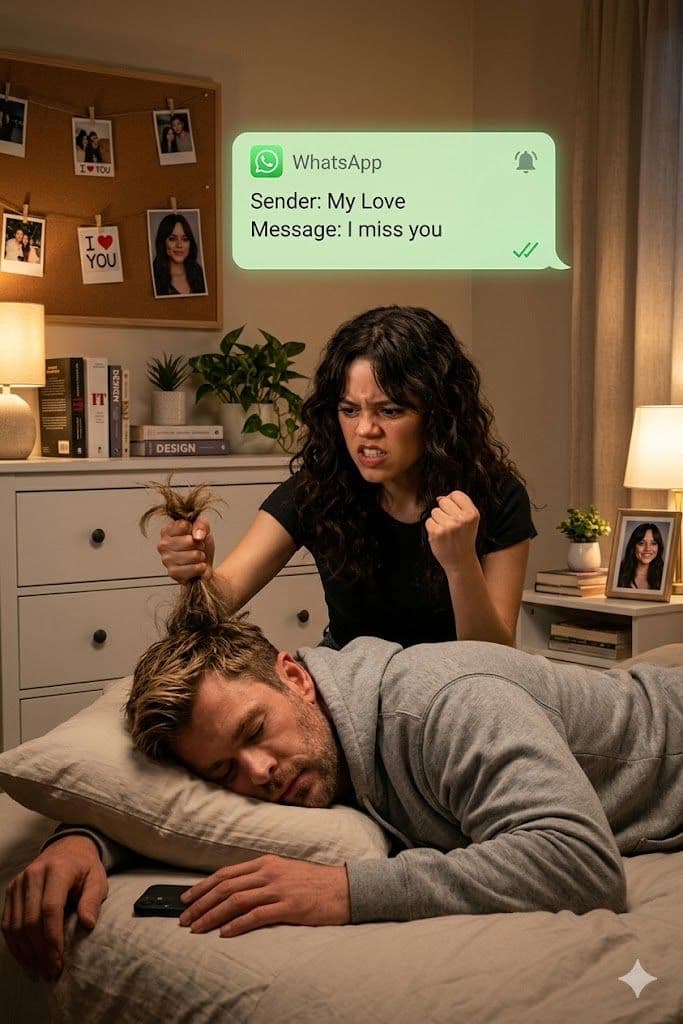
Cinematic Jealous Girlfriend WhatsApp Drama AI Prompt for Gemini
Gemini • Couple Goals
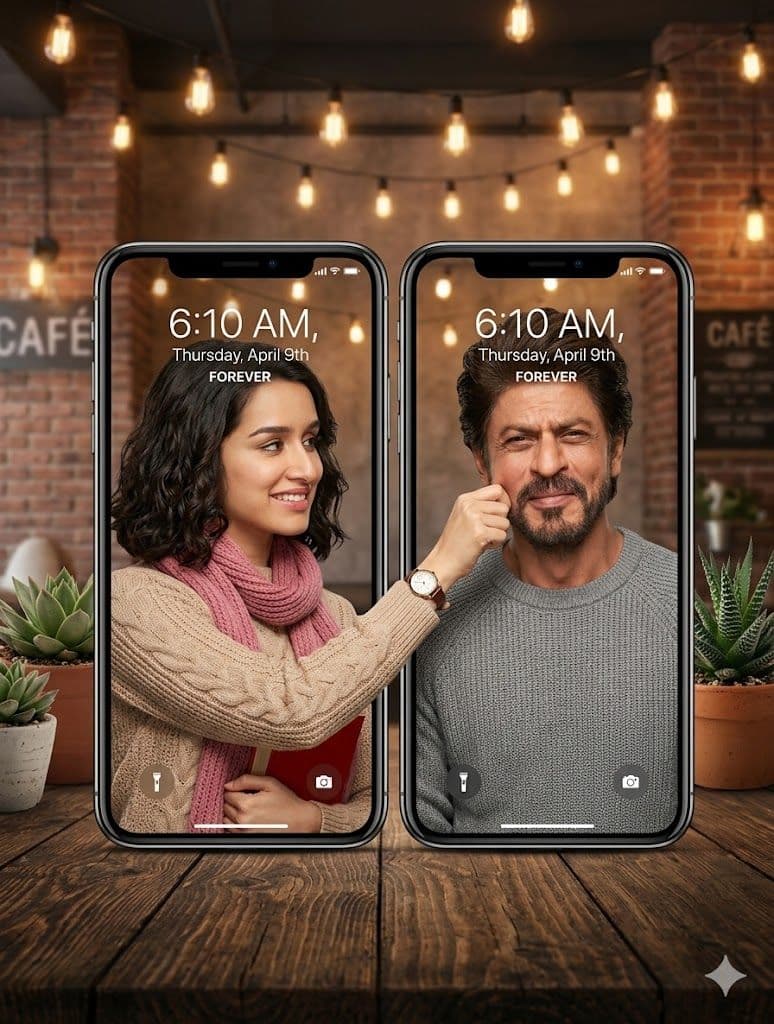
This Realistic AI Prompt Makes Couples Pinch Faces Across Screens
Gemini • Couple Goals
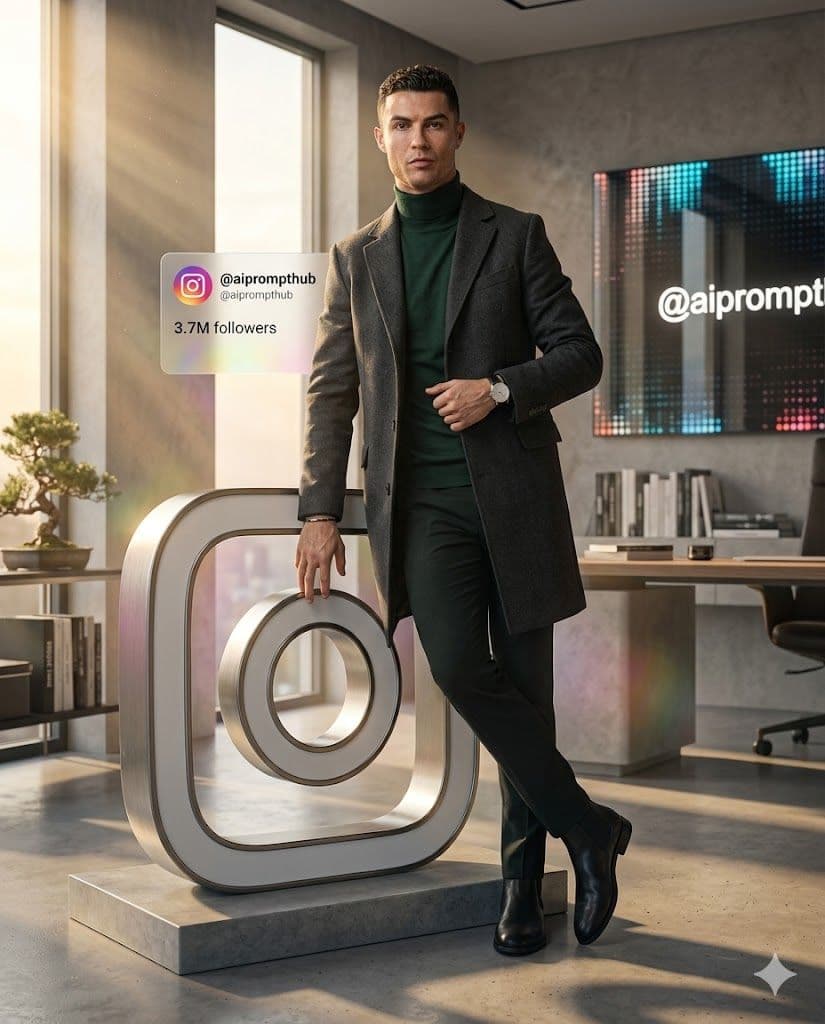
Title: Ultra-Realistic Cinematic Midjourney Prompt for Instagram Viral AI Art
Gemini • Fantasy